
Posted by Lulu Hellcat on 1st May 2026
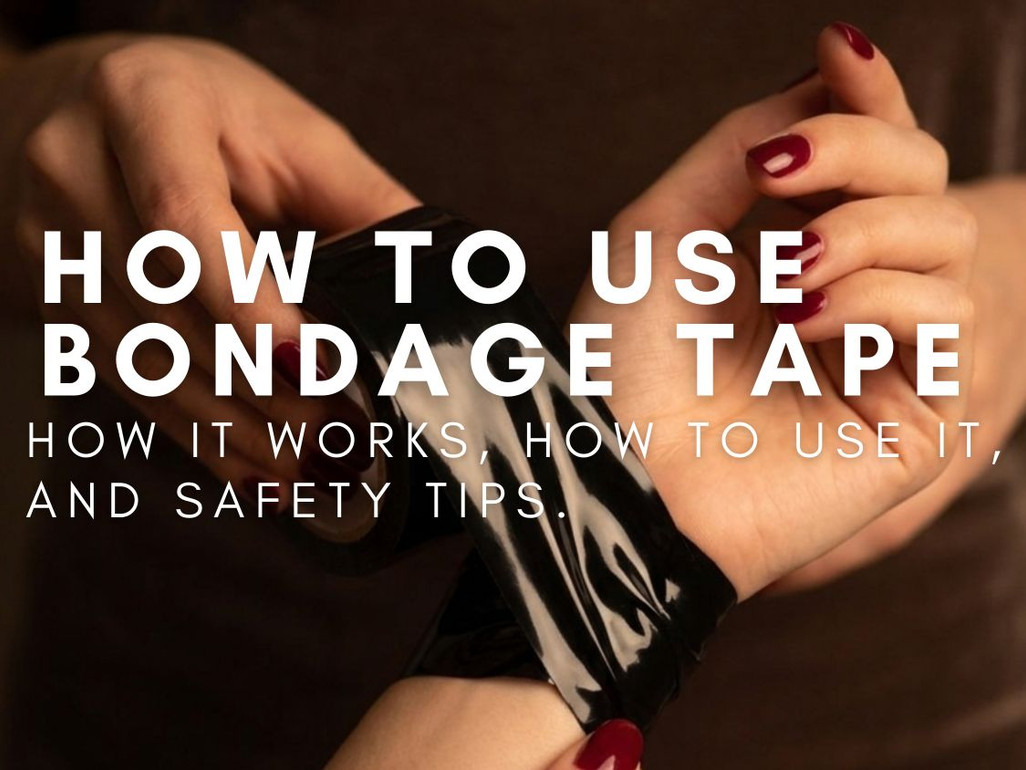
How to Use Bondage Tape: ELI5 Guide to Wraps & Safety Tips
How to Use Bondage Tape: A Beginner's Guide to Wraps, Blindfolds & Restraint
TL;DR: Bondage tape is a non-adhesive, self-sticking restraint tape made for restraining wrists, ankles, or full limbs without pulling hair or skin. Choose tape labeled specifically for bondage (never duct or masking tape), leave enough slack to slip one finger underneath, keep safety shears within reach, and always negotiate limits and a safe word before you start.
How Do You Use Bondage Tape? Here's the Short Answer
Wrap bondage tape around the wrists, ankles, or torso in smooth, overlapping bands, pulling it snug but never tight enough to restrict circulation. Because the tape only sticks to itself (not to skin or hair), it can be layered, removed, and reused without pain or residue. Start with a single limb to get a feel for the tension, keep a pair of safety shears nearby for quick release, and check in with your partner throughout.
That's the mechanics. The rest of this guide covers how to do it safely, creatively, and with confidence.
Why Bondage Tape (and Not Duct Tape)
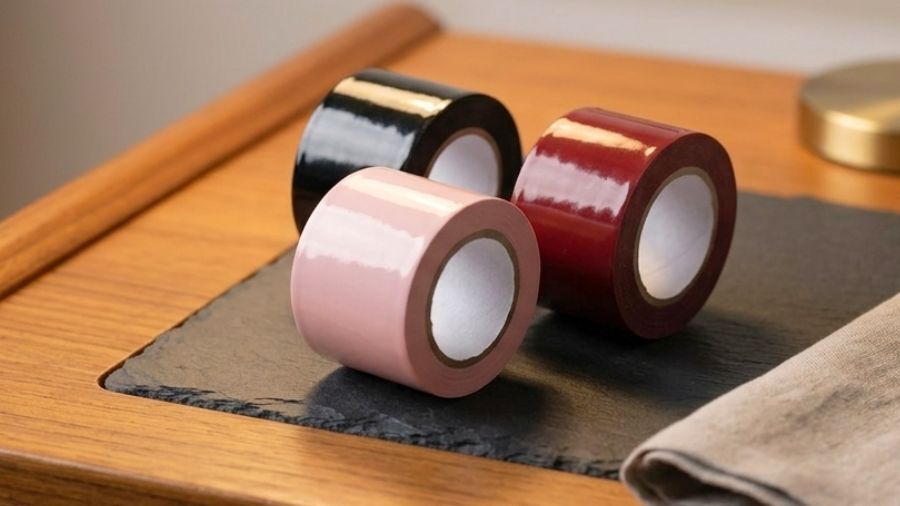
Regular tape from a junk drawer is not built for skin contact. Duct tape and masking tape use strong adhesives designed to bond to surfaces — which means removal can mean pulling hair, irritating skin, or worse.
Bondage tape solves this by being non-adhesive: it only sticks to itself. That means:
- It binds securely without gluing to hair or skin
- It can be layered and adjusted mid-scene
- It removes cleanly, usually just by unwinding
- It's reusable and comes in a range of colors and textures
If you've never tried it, think of it as a cross between cling wrap and self-fusing tape — stretchy, smooth, and forgiving.
ELI5: How Does Bondage Tape Actually Work?
Picture regular tape, but instead of sticking to your skin, it only sticks to itself — kind of like how plastic wrap clings to plastic wrap. So when you wind it around a wrist or ankle, each layer grabs onto the layer before it, not onto you. That's what makes it hold snug without gluing to hair or skin, and why you can just unwind it afterward instead of peeling it off. No sticky residue, no ripped-off arm hair — it's basically a tape that's smart enough to bind you but not to hurt you.
Safety First: What to Set Up Before You Start
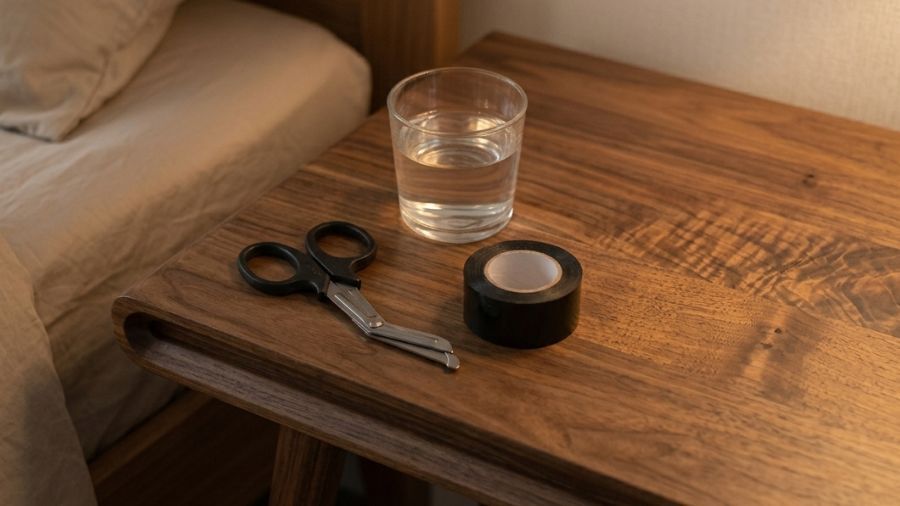
Bondage tape is beginner-friendly, but "beginner-friendly" doesn't mean "no prep needed." Before any tape comes out:
- Negotiate the scene. Talk through expectations, hard limits, and a safe word or non-verbal signal. Couples can enhance intimacy by exploring activities but safety must be prioritized. (important if a gag or blindfold is involved).
- Build a care kit. Keep water, a phone, a basic first aid kit, and — most importantly — a pair of safety shears within arm's reach.
- Pick a private, comfortable space. Rushing or being interrupted increases the chance of mistakes.
- Start light. Early wraps shouldn't be pulled tight. You're both learning how the tape moves and how it feels.
Check in regularly. Watch (and ask) for signs of discomfort, and never leave someone bound unattended.
Step-by-Step: Basic Wrist or Ankle Wrap
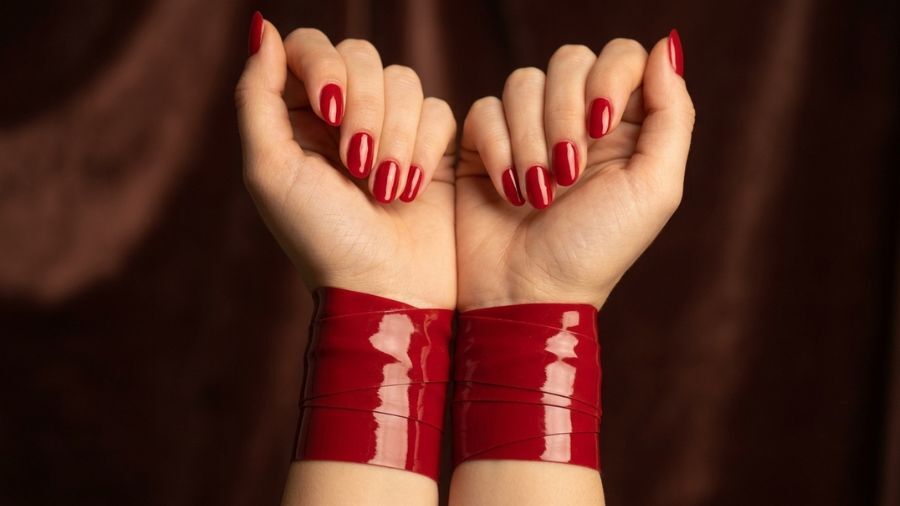
- Hold the limb gently in the position you want to bind.
- Wrap the tape around 3–4 times, keeping the tension even.
- Leave enough give to slide one fingertip comfortably underneath the tape.
- Smooth down the final edge so it doesn't catch on skin or hair.
- Check color and temperature of the skin below the wrap periodically — pale, cold, or numb skin means it's too tight.
Once you're both comfortable with a single limb, you can move on to binding both wrists, both ankles, or connecting limbs together.
Creative Uses Once You've Got the Basics

Blindfolds. Wrapped gently around the eyes (never over the nose or mouth), bondage tape creates sensory deprivation that can heighten every other sensation. Keep it loose enough to avoid pressure on the eyes.
Improvised outfits. Because the tape sticks only to itself, it can be wound around the torso to create quick, temporary "garments" — no sewing skills required, just some creativity and a willing partner. It's also a fun option for nights when sexy lingerie is off the table entirely, or when you want to build something even more daring on top of it.
Full-body restraint. Wrists and ankles secured to a bed frame, or a spread-eagle position, can heighten a feeling of exposure and anticipation for those who enjoy power dynamics.
Gags — use extra caution here. Tape can muffle sound, but anything covering the mouth or nose raises breathing and communication risks. If you use it as a gag, agree on a non-verbal signal beforehand (like a dropped object or hand squeeze) and never leave the wearer alone.
Mummification: The Advanced Level
Full-body wraps — sometimes called mummification — are intense and not a beginner activity. If you want to try it:
- Only attempt this with an experienced, well-negotiated partner
- Never cover the face or airway
- Set a short time limit in advance
- Keep safety shears within immediate reach at all times
- Skip it entirely if either partner has claustrophobia or a respiratory or circulatory condition
How to Remove Bondage Tape Safely
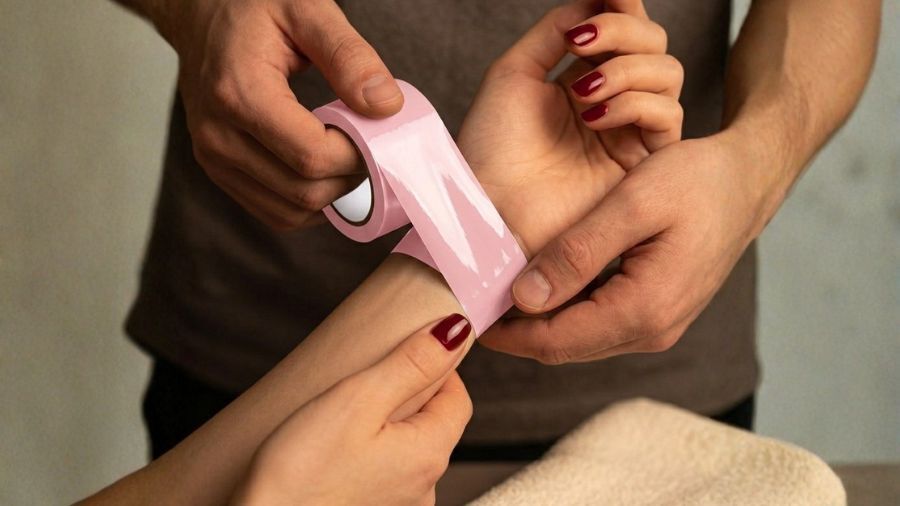
Most of the time, you simply unwind it — no cutting required. If a section is stuck or the situation calls for a fast release:
- Use safety shears, not scissors from the kitchen drawer
- Cut away from the skin, not toward it
- Never rip tape off — unwind or snip instead
After removal, a warm washcloth and some aftercare conversation go a long way toward making the whole experience feel complete.
Key Takeaways
- Bondage tape is non-adhesive and sticks only to itself — never substitute duct or masking tape.
- Always negotiate limits, safe words, and check-ins before you start.
- Wrap snugly, not tightly — you should be able to slide a fingertip under the tape.
- Keep safety shears and a care kit within reach at all times.
- Save gags, blindfolds involving the face, and mummification for once you're experienced, and take extra precautions with anything near the airway.